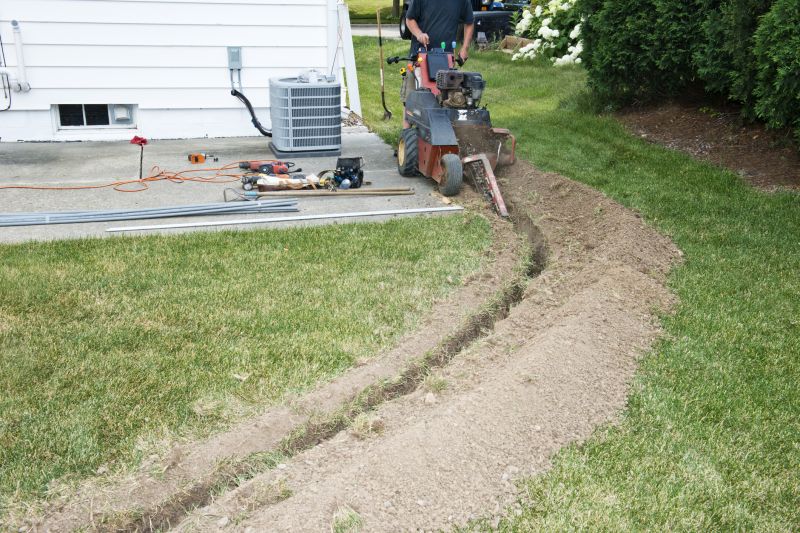
Electrical Line Trenching in Atlanta, GA
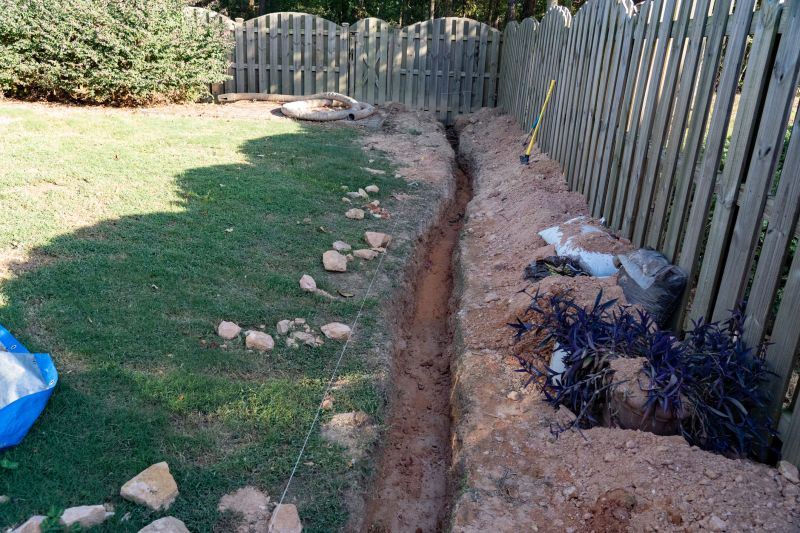
Electrical line trenching services involve digging narrow, precise channels in the ground to lay electrical cables safely and securely beneath the surface. This service is commonly used for installing new utility lines, extending existing electrical systems, or preparing property for outdoor lighting, irrigation, or generator connections. Property owners should understand the scope of trenching needed for their specific project, including the depth and length of the trenches, as well as any potential impact on landscaping or existing underground utilities.
Before requesting electrical line trenching, property owners typically want to know about the planning process, including any necessary permits or inspections, and how the work might affect their property during installation. It’s also important to consider the location of underground utilities and the type of soil to ensure proper trenching and cable placement. Clear communication about project requirements and site conditions can help facilitate a smooth installation process.
Many property owners in Atlanta, GA look into Electrical Line Trenching for repairs, replacements, upgrades, and appearance-related improvements.
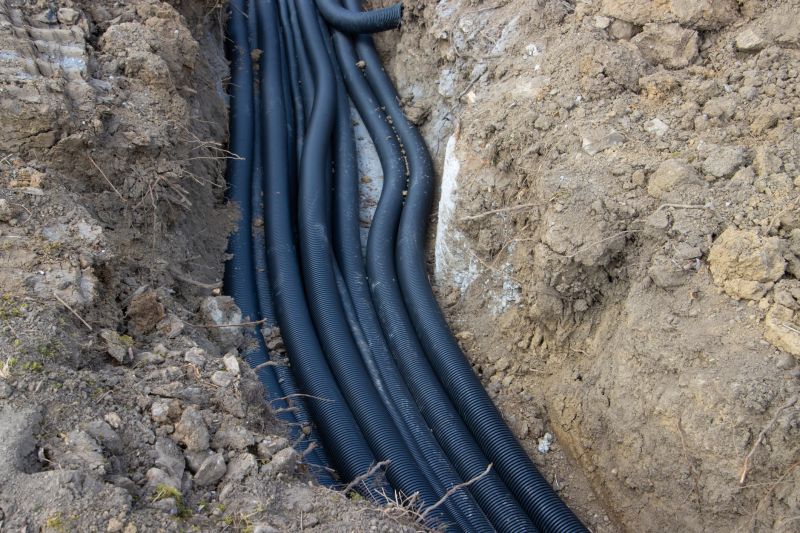
Underground Electrical Line Installation
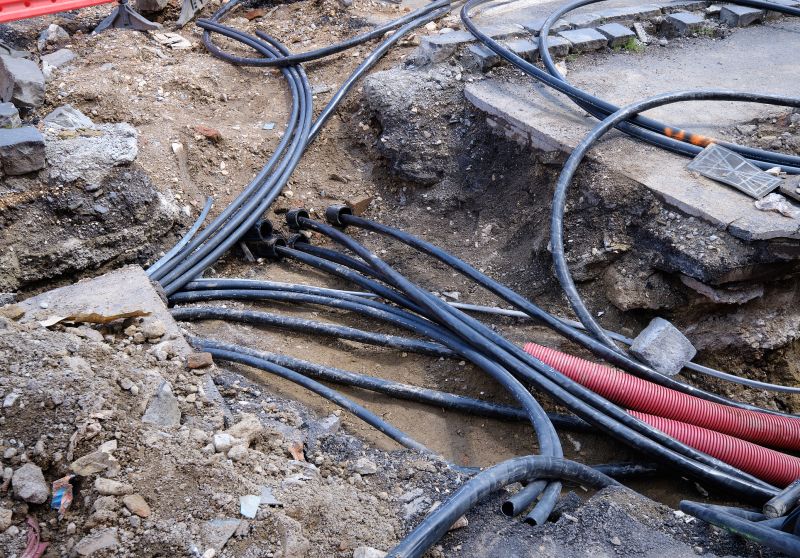
Trenching services enable safe and efficient underground wiring for new property developments and upgrades.
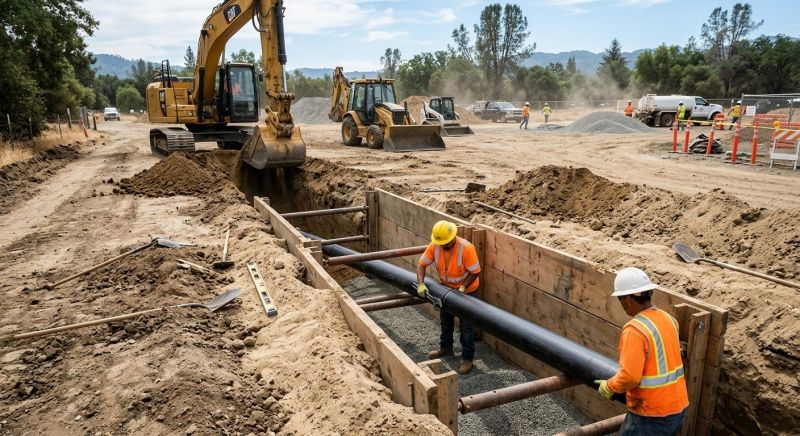
Maintenance And Repair Trenching
Power line trenching supports repair work and routine maintenance to ensure reliable electrical connections.
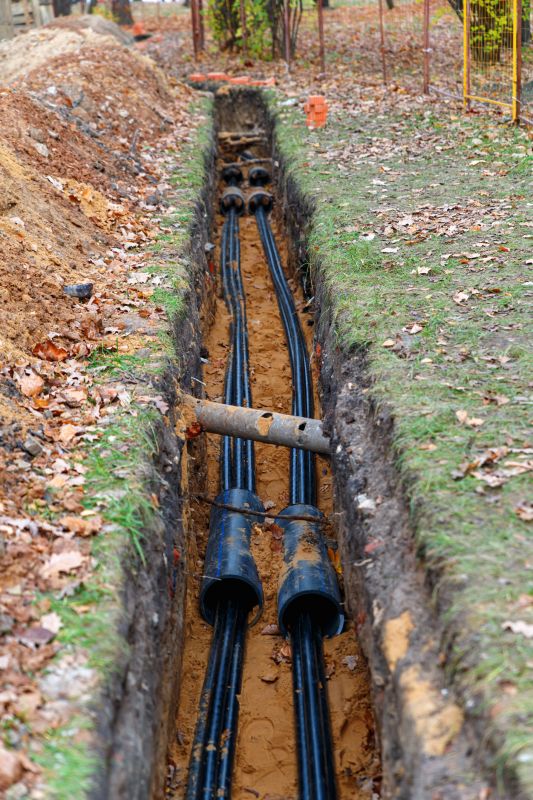
Property Expansion Projects
Trenched electrical lines facilitate additions like new buildings, garages, or outdoor lighting on residential and commercial properties in atlanta.
Electrical Line Trenching in Atlanta, GA

Electrical line trenching services involve digging narrow, precise channels in the ground to lay electrical cables safely and securely beneath the surface. This service is commonly used for installing new utility lines, extending existing electrical systems, or preparing property for outdoor lighting, irrigation, or generator connections. Property owners should understand the scope of trenching needed for their specific project, including the depth and length of the trenches, as well as any potential impact on landscaping or existing underground utilities.
Before requesting electrical line trenching, property owners typically want to know about the planning process, including any necessary permits or inspections, and how the work might affect their property during installation. It’s also important to consider the location of underground utilities and the type of soil to ensure proper trenching and cable placement. Clear communication about project requirements and site conditions can help facilitate a smooth installation process.
Many property owners in Atlanta, GA look into Electrical Line Trenching for repairs, replacements, upgrades, and appearance-related improvements.
Common Electrical Line Trenching Jobs
Electrical line trenching involves digging underground pathways for electrical cables to ensure safe and efficient power delivery.
Residential electrical wiring projects often require trenching to install new power lines or upgrade existing connections.
Outdoor lighting installations may need trenching to bury wiring for landscape or security lighting systems.
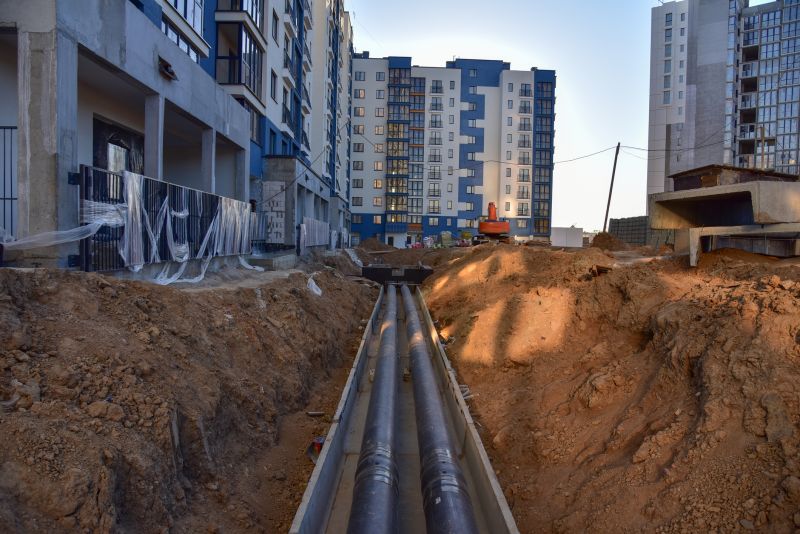
Utility connection projects involve trenching to connect homes or properties to main power sources safely underground.
Renewable energy systems such as solar or wind installations sometimes require trenching for underground wiring runs.
Property upgrades may include trenching to replace or extend electrical lines for increased capacity or safety.
Electrical Line Trenching Questions
What is electrical line trenching? Electrical line trenching involves digging narrow, precise channels in the ground to install underground electrical cables safely and efficiently.
When is trenching necessary for electrical work? Trenching is typically needed when installing new underground electrical lines for outdoor lighting, property upgrades, or extending existing electrical systems.
How deep are electrical lines usually buried? Electrical lines are generally buried between 18 and 24 inches deep to ensure safety and protection from surface disturbances.
What should property owners consider before trenching? It's important to identify existing underground utilities and obtain any necessary permits before beginning trenching work.
Request Electrical Line Trenching in Atlanta, GA
Use the quote form on this page to share the basics of your project and request more information for the type of work you need.